India has pledged a portion of its gold holdings to address an economic crisis only once in its history — nearly 35 years ago, in 1991. That single act of desperation became the trigger for the most sweeping economic reforms India has ever seen.
What Happened in 1991?
1991 was a watershed year in Indian economic history. The country was facing a severe crisis — foreign exchange reserves had fallen to critically low levels, and the government was struggling to repay its external debt.
But what actually triggered India’s landmark economic reforms? Foreign exchange reserves (excluding gold) fell from approximately Rs 5,050 crore at the start of August 1990 to Rs 4,388 crore by the end of March 1991 and then crashed further to Rs 2,386 crore by the end of June 1991. India had barely enough foreign exchange to cover two weeks of imports.
How Did It Come to This?
The 1990-91 Gulf War was the immediate trigger. As conflict engulfed the region, India’s oil import bill surged. The trade deficit widened, inward remittances from the Gulf fell sharply, and the Indian rupee came under severe pressure — depreciating rapidly against the dollar. All of this was happening against a backdrop of double-digit inflation, making the crisis even more painful for ordinary Indians.
In March–July 1991, the Reserve Bank of India implemented measures aimed at moderating import growth and safeguarding whatever foreign exchange reserves remained.
Using Gold to Raise Emergency Funds
With the country’s back against the wall, the government turned to its gold reserves — a last resort by any measure.
Before tapping into its official gold holdings, the government first used confiscated gold. In April–May 1991, 20 tonnes of confiscated gold were used to generate foreign exchange, structured as a sale with a repurchase option. But this was not enough.
In July 1991, the Government of India pledged 46.91 tonnes of gold with the Bank of Japan and the Bank of England, raising a loan of US$405 million. The loan was repaid — and the gold redeemed — between September and November 1991. Since then, India has never pledged its gold under any circumstances.
India’s Gold Holdings Today
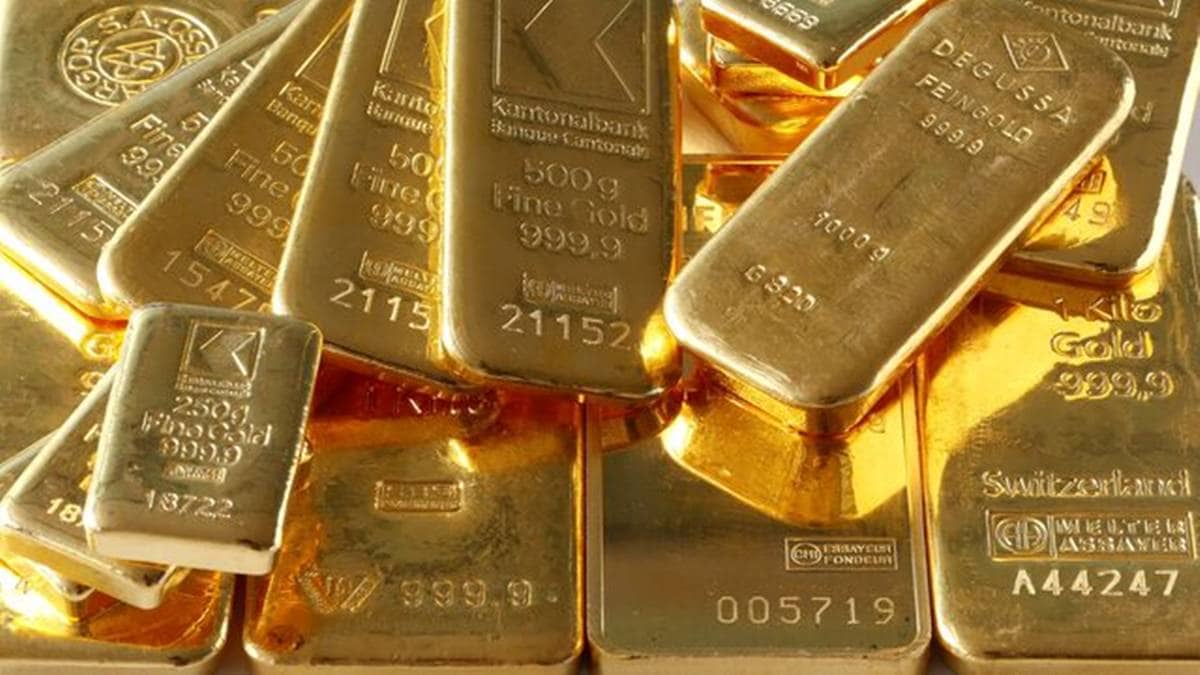
From that moment of crisis, India has gone on to build one of the world’s largest gold reserves. India currently holds the 5th largest gold reserves in the world. After the US with 8,133.46 tonnes, followed by Italy, China, and Russia, India holds 880.52 tonnes of gold as of March 31, 2026.
Gold prices have nearly doubled over the last two years, pushing the value of India’s gold reserves significantly higher. As of May 22, 2026, the value of gold in India’s foreign exchange reserves stood at nearly $114.78 billion (Rs 10,98,889 crore), representing 17–18% of the total net foreign assets held by the RBI.
An important point to note: changes in the value of gold reserves are dependent on international gold price movements. A rise or fall in value does not necessarily mean gold has been bought or sold.
Has the RBI Been Buying Gold?
Yes — and consistently. In the second quarter of 2001, the RBI held about 357.75 tonnes of gold. Over the last one to two decades, gold reserves averaged 540.98 tonnes — but reached an all-time high of 880.52 tonnes in the first quarter of 2026. That is more than double what India held just two decades ago.
The Bigger Picture
India is not alone in its growing reliance on gold. Most global central banks are slowly and steadily accumulating gold to strengthen their foreign exchange reserves. Over 2,800 tonnes of gold were purchased by central banks between 2023 and 2026. Recently, Turkey and Russia have resorted to selling some portion of their gold holdings to tide over their own economic crises — a reminder that even sovereign nations are not immune to the pressures that once forced India’s hand in 1991.
When pressed hard against the wall, not just ordinary people, even governments have to dip into their gold holdings to stem worsening economic conditions. During times of crisis and uncertainty, gold remains the last resort to fall back upon. India learned that lesson in 1991 — and has spent the decades since making sure it never has to learn it again.
Disclaimer: This article is intended for general awareness and historical context only and should not be construed as investment, financial, or economic advice. Historical data on India’s foreign exchange reserves, gold pledging transactions, and RBI gold holdings are based on publicly available records and may be subject to revision. Readers are strongly urged to consult a SEBI-registered investment advisor before making any gold-related investment decisions.