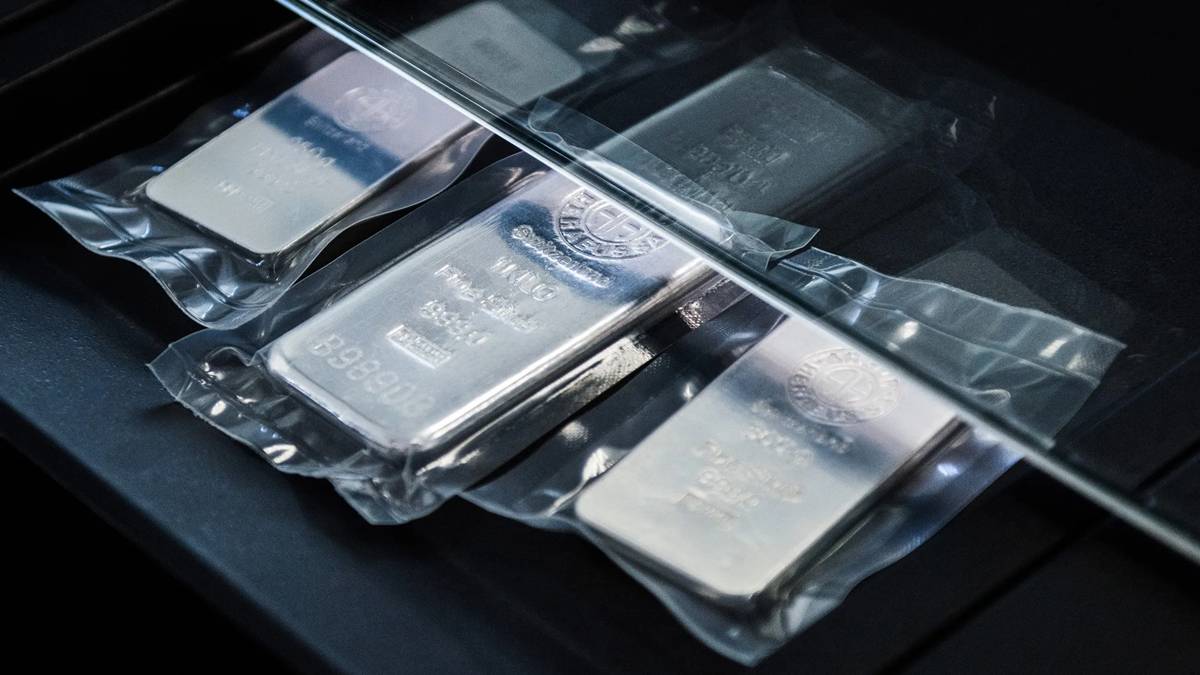
The Indian government implemented three significant measures to control the import of precious metals, particularly silver. These three big-ticket moves could completely change the dynamics of the silver market in the country.
From raising import duties to restricting the import of silver to MCX opening its platform to domestic silver refiners, the import framework has been significantly overhauled. “Three regulatory changes in five days have reshaped the cost structure for silver imports into India, even as domestic futures prices are still catching up to the full policy impact,” says Dr. Renisha Chainani, Head – Research at Augmont.
How Has Silver Reacted?
The first major announcement on import duty hike came on May 13, when silver closed at Rs 2,87,467. There was little change on May 14, with silver closing at Rs 2,87,120. However, on Friday, May 15, silver closed at Rs 2,68,147 — about 7% lower than the previous close. On May 18, silver closed at Rs 2,68,129, almost unchanged from the previous session.
The fall in Indian prices was cushioned compared to what happened globally. In international markets, silver fell from $89 on May 13 to $77 on May 18 — a decline of 14%.
“The recent regulatory measures — including the sharp hike in import duty from 6% to 15%, shifting silver imports from the ‘free’ to the ‘restricted’ category, and tighter monitoring of bullion inflows — are likely to keep domestic silver prices relatively elevated compared to international prices, even if global prices soften,” says Narinder Wadhwa, MD & CEO, SKI Capital Services.
“If international prices witness a sharp fall, Indian prices may also correct, but likely at a slower pace and with a lower degree of decline due to higher landed cost and supply-side restrictions,” adds Wadhwa.
Mirae Asset Mutual Fund, in their commentary, states, “It is hard to predict the cumulative effect of supply constraint, possibility of lower demand in the domestic market, impact of demand dynamics in the international market, and availability of domestic inventory to meet evolving demand. We believe that immediate reaction will be discount compression and/or higher premium, but eventually, over time, we feel prices may face downward pressure due to lower demand in India, which may also affect international prices.”
Move 1: Hike in Import Duties
The first big change was a revision of the import duty structure. India increased effective import duties on gold and silver by 9 percentage points — from 6% to 15% — including a 10% basic customs duty and a 5% Agriculture Infrastructure and Development Cess (AIDC).
“At prevailing MCX silver prices near Rs 2,90,000/kg, this translates to an incremental cost burden of approximately Rs 26,100/kg on every imported bar — a significant price signal, but not an absolute barrier,” says Dr. Chainani.
Move 2: Silver Imports Now ‘Restricted’
The second move was arguably the most consequential. The Directorate General of Foreign Trade (DGFT) and the Commerce Ministry revised the import policy, reclassifying silver bars with 99.9% purity from the “Free” to the “Restricted” import category, along with other specified silver bars.
“This is the decisive move. Unlike a duty hike — which raises cost but permits trade — the ‘Restricted’ classification creates a legal barrier. Every shipment now requires prior government approval through a DGFT import licence. No licence, no import, regardless of willingness to pay the 15% duty,” says Dr. Chainani.
Move 3: MCX Opens Platform to Domestic Refiners
The third move came from MCX, which revised its Good Delivery Norms to enable domestic silver refiners to deliver silver on its platform. This includes changes to BIS-Standard Gold/Silver norms, eligibility criteria, and the empanelment procedure for refiners.
But will this be enough to address rising supply shortages? “This is the supply-side response to the demand-side restriction — building a domestically sourced silver delivery pipeline through the exchange mechanism to replace the import channel being shut down. The sequencing is deliberate. Each move addressed a gap left by the previous one,” adds Dr. Chainani.
The Bigger Picture
Overall, the three moves aim to restrict imports while simultaneously trying to avoid a supply crunch in the market. “The reclassification of silver bar imports from ‘free’ to ‘restricted,’ requiring DGFT licensing with immediate effect, is likely to tighten physical supply and push local premiums higher. MCX’s revised good delivery norms offer a partial offset, bypassing the BIS accreditation requirement at the empanelment stage, allowing domestic refiners to be onboarded on the exchange’s own audit timeline, a process of weeks rather than months, with BIS licensing required only as a subsequent compliance step,” says Kaynat Chainwala, AVP, Commodity Research, Kotak Securities.
Impact on Indian Consumers and Investors
While silver is under pressure in international markets, prices in India are likely to remain elevated for some time before they align with global levels. “For retail consumers — buyers of silver jewellery, silverware, and investment coins — the pass-through of both the duty hike and the supply premium will be material. Retail silver prices are likely to remain elevated well above the pre-May 2026 trajectory, regardless of any correction in COMEX prices,” says Dr. Chainani.
“The compounding effect of the duty wall and the import restriction creates a structurally bullish domestic silver price environment across multiple timeframes,” adds Dr. Chainani.
On May 19, silver futures (03JUL2026) are trading at Rs 2,74,549, while the spot price on May 18 closed at Rs 2,68,129. “At present, MCX silver is trading at a modest discount to the theoretical landed cost, 0.8% below the fully duty-loaded import parity price. That gap likely reflects a transitional base effect: the landed cost benchmark absorbed the full duty impact immediately, while futures pricing is still adjusting. If informal channels scale up faster than the domestic refinery pipeline develops, that arbitrage would prevent the discount from closing and cap any premium that might otherwise emerge,” says Chainwala.
Disclaimer: This article is for general informational purposes only and does not constitute investment, financial, or trading advice. Silver prices, import duty structures, and regulatory policies are subject to change without notice. Price forecasts and analyst projections cited are based on information available at the time of writing and may not materialise. Readers are strongly advised to consult a registered investment advisor or qualified financial professional before making any investment decisions related to silver or precious metals.