Even if the ongoing US-Israeli war with Iran stopped today, the global oil market would not bounce back overnight. According to a recent Wall Street Journal report citing oil market analyst Anas Alhajji, it could take weeks for shipping to stabilise and months for oil production to return to normal. A tanker was seen anchored in Muscat, Oman, on Saturday as tensions continued to rise after Iran threatened to shut down the Strait of Hormuz, a key route for global oil shipments. Even in a “best-case scenario” where hostilities cease today, here is how the recovery timeline actually looks.
Oil supply could take months to fully recover after the war ends
Speaking to WSJ, Alhajji, who is the managing partner at Energy Outlook Advisors, said the first step toward recovery would be restoring shipping in the Persian Gulf. “If the war ended today,” he explained, it would still take about two weeks for shipping traffic in the region to return to normal.
Only after shipping stabilises would oil production begin moving back to regular levels. Even then, he believes it could take another two months for Gulf oil output to fully recover. And that, he added, is the best-case scenario.
Fear of drone attacks even after war ends
Alhajji also warned that the risks might not disappear when the fighting stops. Groups with access to cheap drones could still target ships passing through the Strait of Hormuz. “Everyone I know is concerned,” Alhajji said. “Decentralised military activities by the Iranian regime and its cronies in the region, especially in Iraq, can inflict serious damage using low-cost methods.”
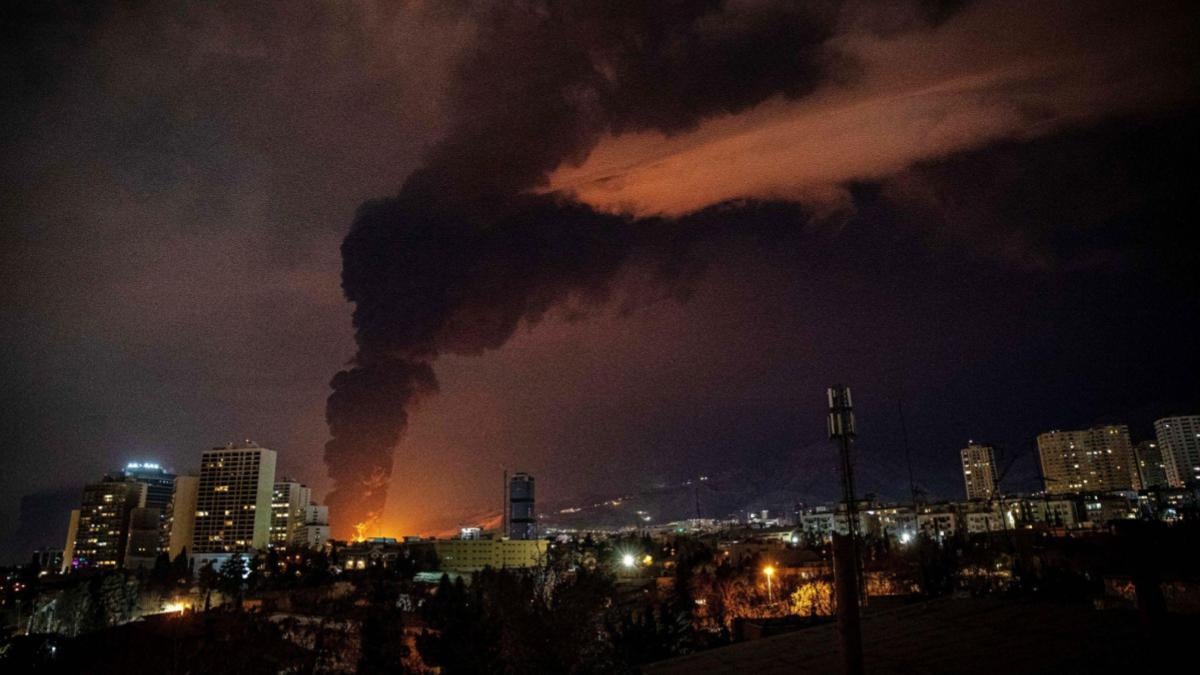
Such attacks could continue disrupting shipping lanes even after a ceasefire. Images of oil depots burning during the conflict may look alarming, but Alhajji believes they are unlikely to shake the global oil market in a major way. However, he said the strikes hit Iran in a particularly sensitive spot. Most of the country’s oil fields are located in the south, while a large share of the population lives in the north and east. Because of this geographic divide, replacing lost oil stock becomes harder for the government during times of conflict.
Gulf Oil producers running out of storage as tankers stay stuck
On the other hand, a recent report by The Times said that with oil tankers unable to leave ports in the Persian Gulf, producers across the region are facing a serious problem. Storage tanks at refineries and oilfields are quickly filling up, leaving little room for newly produced oil. According to business intelligence firm Rystad Energy, some of the region’s biggest oil producers may run out of storage space within days.
Saudi Arabia, one of the world’s largest oil producers and a key member of the Opec cartel, is particularly close to hitting its storage limit. Rystad Energy warned that the country has just three days before its storage tanks for oil and refined products become full. If storage fills up, producers will have no choice but to slow down or completely stop production.
Iraq, the Gulf’s second-largest oil exporter, is facing an even tighter deadline. The country has only two days before its storage capacity runs out. Producers have already started cutting output. On Sunday, Iraq’s state-run Basra Oil Company, which manages production and exports from the country’s southern oilfields, said its storage facilities were already at full capacity. As a result, production has fallen by 70 percent, dropping to 1.3 million barrels per day.
Oil producers have limited options to move supplies while shipping through the Strait of Hormuz remains disrupted. Saudi Arabia could redirect oil through the East–West pipeline to the Red Sea, but storage limits and shipping shortages at the Yanbu port make this difficult.
The route also carries security risks, as ships must pass through the Bab-el-Mandeb Strait, which has previously been targeted by Iran-backed Houthi militants. The UAE has a separate pipeline from Abu Dhabi to Fujairah that bypasses Hormuz, but drone attacks near the port have again raised safety concerns.
Overall, experts cited by Times say only about 2 to 2.5 million barrels per day can be rerouted this way, far less than the region’s total output of 14.7 million barrels per day.