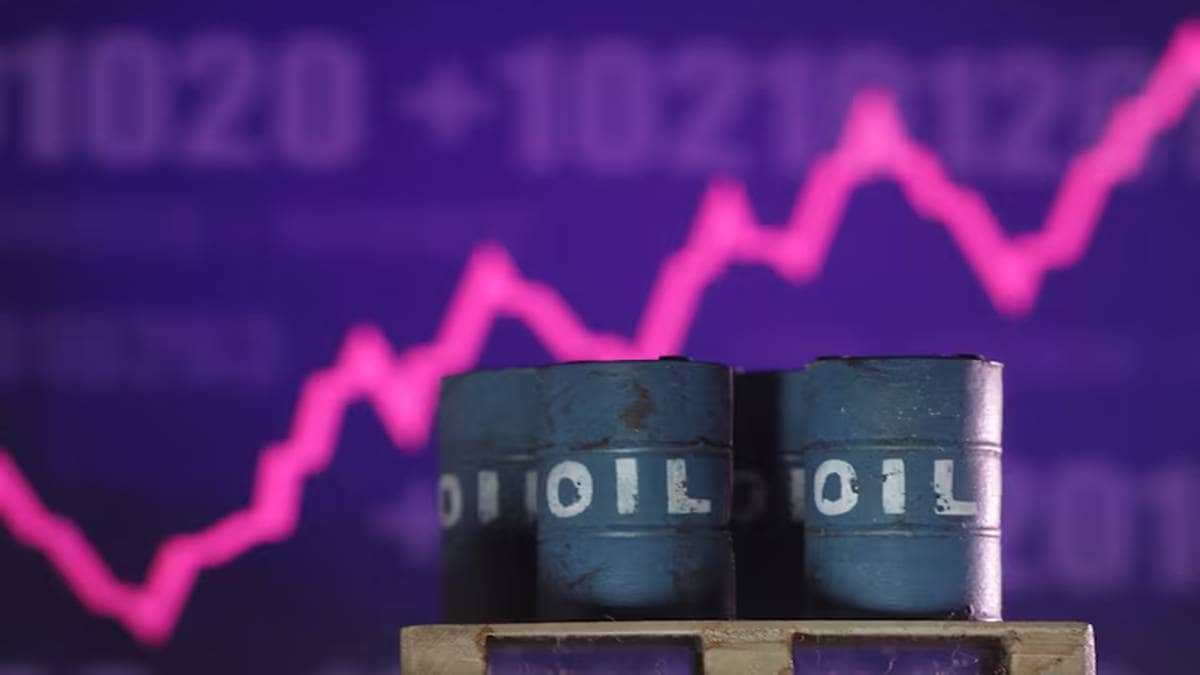
Oil prices have once again scaled past the $110/bbl mark on Tuesday driven by concerns about US-Iran standoff and UAE’ decision to quit OPEC. The global benchmark, Brent Crude futures were trading near its three-week high of $112/bbl, while the US benchmark WTI was quoted around the $101/bbl mark.
UAE to quit OPEC+
The blowout for oil prices comes as international media agencies reported, UAE on Tuesday announced its decision to quit OPEC and OPEC+ effective May1. The exit of UAE would be a shocker for the organisation as the latter has been a longstanding member.
UAE energy minister said that the decision was taken at a time when consumers need our attention, we are facing an unprecedented time when strategic reserves of crude products are being drained to a scary level, according to a Reuters report.
Oil prices surged by nearly 4% in Tuesday’s session driven largely by the closure of the crucial trade route- Strait of Hormuz. The waterway passage transits nearly one-fifth of the world’s global energy flows and the dual blockade of the route has caused supply disruptions in the oil markets.
Oil on boil: US-Iran standoff worries investors
According to a Reuters report, US President Donald Trump has signalled his disapproval of the latest Iranian proposal to end the two-month stretched conflict. While Washington remains critical of Iran’s nuclear program, the report citing Iranian sources added that Tehran is trying to avoid the discussion over the same.
Uncertainties pertaining to the Hormuz route have brought the oil prices back to record high levels stoking inflationary concerns worldwide. The stall in US-Iran talks is fuelling oil prices which are now just 16% away from its recent high, financial publication Kobeissi Letter said in a post on X.
Brent Crude climbed to 45-month highs in March
Last month, Brent crude oil prices rose to a 45-month high of $119/bbl but then slipped as the US and Iran reached a ceasefire. While a ceasefire was declared the US Navy’s blockade of Iranian ports continued to stay in hold.
“Oil above $110 per barrel reflects a market that is rapidly repricing geopolitical risk,” Reuters quoted Rystad Energy analyst Jorge Leon as saying.
“With peace talks stalled and no clear path to reopening the Strait of Hormuz, traders are factoring in a prolonged disruption to a critical artery of global supply,” he told the international news agency.
“Even in a best-case scenario, any US–Iran agreement is likely to be narrow and partial, leaving the Strait issue unresolved, which means the upside risks to prices remain,” Reuters quoted the analyst, as saying.
Citing ship-tracking data, Reuters reported several disruptions in the region with six Iranian oil tankers forced to turn back due to the US Navy’s blockade. While the trade route remains largely closed, some traffic is still moving, it added.