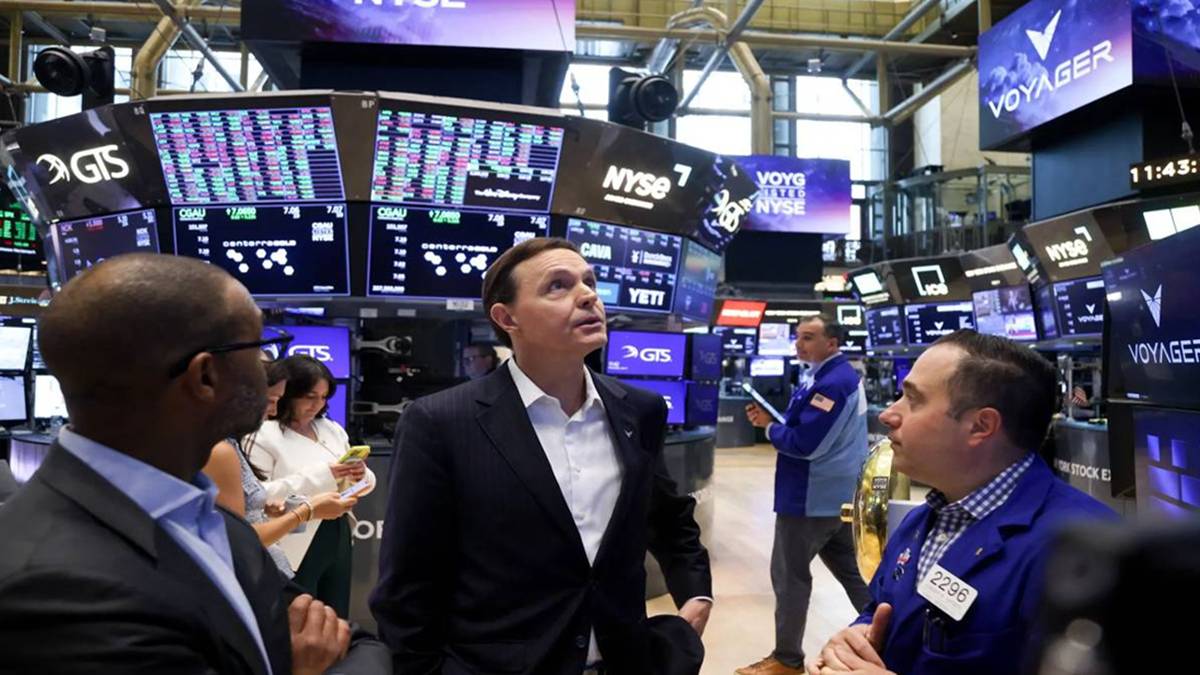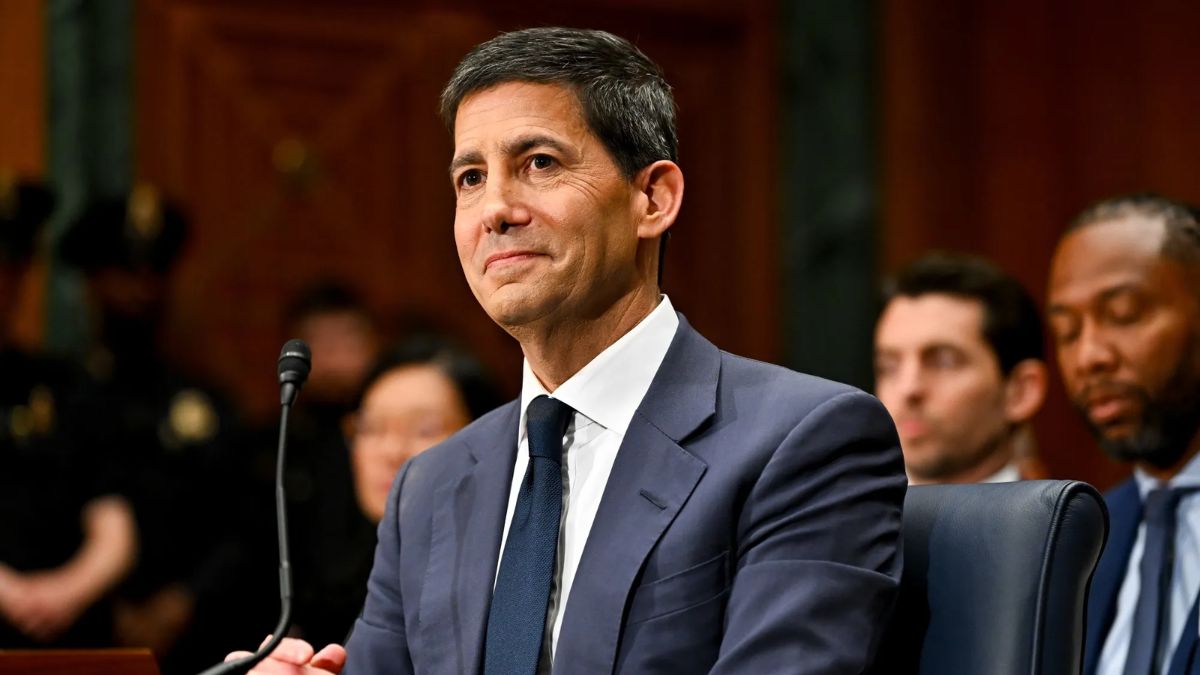
Kevin Warsh assumes leadership of the Federal Reserve at a time when inflation has reaccelerated above 4%, driven largely by higher energy prices linked to the Iran conflict and disruptions to oil flows through the Strait of Hormuz, according to Ghassan Albohtori, Financial Market Analyst at STARTRADER.
Albohtori said the Fed is confronting an “unusual dilemma” as markets assess the impact of the preliminary U.S.-Iran agreement aimed at reopening critical energy supply routes. The deal has improved investor sentiment and raised hopes that oil prices could gradually normalize in the coming months.
“Current inflation data argues strongly against rate cuts,” Albohtori said, noting that recent price increases remain elevated, labour markets are resilient and policymakers have little evidence that inflation is moving sustainably back toward target. As a result, “holding rates steady is therefore the easiest and most defensible choice,” while “a rate cut too soon would risk damaging the Fed’s inflation-fighting credibility.”
At the same time, he emphasized that “monetary policy is forward-looking.” If the U.S.-Iran agreement holds and energy markets stabilise, some of the recent inflation surge could prove temporary as oil prices retreat and supply chains improve, helping headline inflation ease later this year.
Even if the Fed acknowledges the positive implications of the agreement, Albohtori said Warsh is unlikely to signal victory over inflation while price growth remains elevated. “The central bank will probably want several months of evidence before concluding that the recent inflation surge was merely a temporary energy shock,” he said.