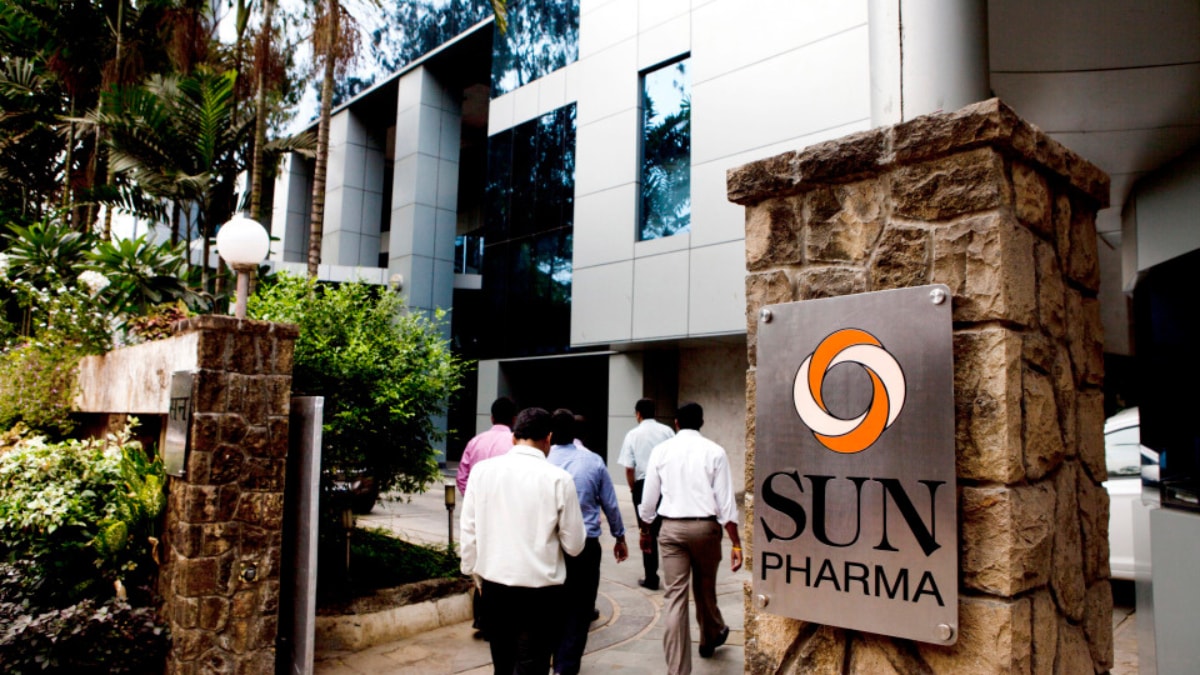
A fresh note from Jefferies puts Sun Pharmaceutical Industries at the centre of attention as the United States prepares possible tariffs on medicines, with the brokerage saying exposure exists but the eventual hit may stay contained.
The report, dated April 2, says proposals of tariffs going up to 100% on certain medicines have emerged, though generics are likely to remain outside the scope. That leaves companies with a meaningful specialty portfolio facing higher scrutiny, and within Jefferies coverage, Sun Pharma stands out on that count.
Sun Pharma carries higher exposure due to specialty portfolio
Jefferies points to Sun Pharma’s revenue mix as the primary reason for its relative vulnerability. Around one fifth of the company’s revenue comes from innovative medicines, which differ from standard generics in pricing and margin structure.
“Sun Pharma is the most exposed Indian company to tariffs,” Jefferies says in its report.
This exposure comes from a set of key products in the United States market, including dermatology and specialty therapies. These products are not part of the high-volume, low-margin generics business that dominates Indian pharma exports.
That difference places Sun Pharma in a smaller group where any policy change on pricing or imports has a more direct effect on earnings.
Sun Pharma Share price history
| Time Period | Price Change (Rs) | % Change |
| Past Month | -Rs 58.50 | -3.34% |
| Past 6 Months | +Rs 60.80 | 0.0373 |
| Year to Date | -Rs 29.10 | -1.69% |
| Past 1 Year | -Rs 78.00 | -4.41% |
| Past 5 Years | +Rs 1,081.25 | 1.7704 |
Overseas manufacturing offers a built-in cushion
Even with that exposure, Jefferies does not expect the worst-case tariff number to fully apply to Sun Pharma’s business.
The report includes a detailed table on page 1 listing major United States products and their manufacturing locations. A large portion of these drugs is produced in Europe, South Korea, or within the United States.
This geographic spread plays a crucial role in limiting risk.
“South Korea and the European Union have negotiated pharma tariffs at 15% with the USA,” the brokerage notes.
As a result, even if tariffs are introduced, Sun Pharma’s innovative portfolio may face a ceiling closer to 15% rather than the higher number being discussed.
This distinction reduces the severity of the potential earnings impact, especially when compared with initial market reactions to the 100% figure.
Generics likely to remain protected from tariff action
The broader Indian pharma sector draws comfort from Jefferies’ base case that generic medicines will not face tariffs.
Indian companies derive a large share of their United States revenue from generics, which are essential to keeping healthcare costs in check.
“Our base case remains that generics would remain exempted from any tariffs in the US,” Jefferies says.
The brokerage explains that any attempt to impose tariffs on generics could lead to higher prices and potential supply shortages.
“We believe imposing tariffs on generics which operate at thin gross margins risks higher prices from potential drug shortages caused by supply-chain disruptions,” the report adds.
This assessment suggests that most Indian pharma exporters may continue operating without major disruption even if the policy moves forward.
Policy details still evolving, scope may change
Jefferies also notes that the tariff proposal is still under discussion and has not been finalised.
The report links the move to a Section 232 investigation and says there remains room for changes, including exemptions for certain medicines or disease categories.
“The plans aren’t yet final and could still change, and there could also be exemptions for certain medicines,” Jefferies says.
This uncertainty keeps near-term visibility limited and could lead to stock-specific volatility as new information emerges.
Valuation stays premium despite tariff concerns
Jefferies continues to assign a premium valuation to Sun Pharma, supported by its specialty business and growth potential.
“We value Sun Pharma at 32x Mar-28 PE which is at a premium to its large cap peers,” the brokerage explains.
Historical data included in the report shows a target price of around Rs 2,100 per share as of early 2026. With the stock trading near Rs 1,728, that implies an upside of about 21.5%.
The rating remains Buy, indicating that the brokerage expects the company to deliver returns despite the overhang from tariff discussions.
Other risks remain part of the investment case
Jefferies lists additional factors that could influence performance beyond tariff developments.
“Key risks include inability to ramp up specialty products in the US and developed markets, raw material price inflation, and slow India pharma industry growth,” the report noted.
These risks relate to execution and cost pressures, which remain relevant regardless of policy changes.
Conclusion
Jefferies’ report narrows the tariff conversation to a stock-specific level rather than a sector-wide concern. Sun Pharma emerges as the company with the highest exposure within its coverage, driven by its specialty portfolio.
At the same time, manufacturing diversification and existing trade arrangements may limit the extent of the impact. The broader Indian pharma space appears relatively insulated, with generics expected to remain outside the tariff framework.
Final policy details will determine how much of the current concern translates into actual financial impact, but for now, Jefferies indicates that the situation may not be as severe as initial headlines suggest.
Disclaimer: This article provides factual analysis only and is not, and should not be construed as, an offer, solicitation, or recommendation to buy or sell securities. Investors must conduct their own independent due diligence and seek advice from a SEBI-registered financial advisor.