Artificial intelligence has become one of the biggest drivers of economic growth in the United States. Technology companies are spending billions of dollars on data centres, advanced chips and computing infrastructure to build and expand AI capabilities. However, this investment boom is also creating new challenges for the world’s largest economy.
The rapid rise in AI-related spending could keep inflation higher than expected in the United States and force interest rates to remain high for a longer period, reported ANI citing Jefferies’ latest Greed & Fear report. The report stated that the huge amount of money flowing into AI infrastructure is boosting economic activity but is also adding to price pressures across the economy.
Why is AI spending raising inflation concerns?
Jefferies said prices in the US have remained high even though policymakers are trying to control inflation. According to the report, consumer prices in the US are rising at their fastest pace in the last three years.
“One consequence of the stickiness of inflation in America, with headline CPI inflation running at its highest level in three years, is that nominal growth has been running at 5.9% YoY in 1Q26, driven primarily by the still accelerating AI capex arms race,” the report said.
The report stated that the race among technology companies to increase spending on AI infrastructure has created strong demand for equipment, computing resources and skilled workers. This demand has helped economic growth but has also contributed to higher prices in several areas of the economy.
The investment surge has become so large that financial markets are starting to believe that inflation may stay above desired levels for an extended period. Investors are therefore preparing for the possibility that interest rates may not fall anytime soon.
Could US see more interest rate hikes?
Market expectations have shifted sharply in recent months, reported ANI quoting Jeffreys. According to the report, investors now expect tighter monetary policy over the coming months as inflation remains persistent.
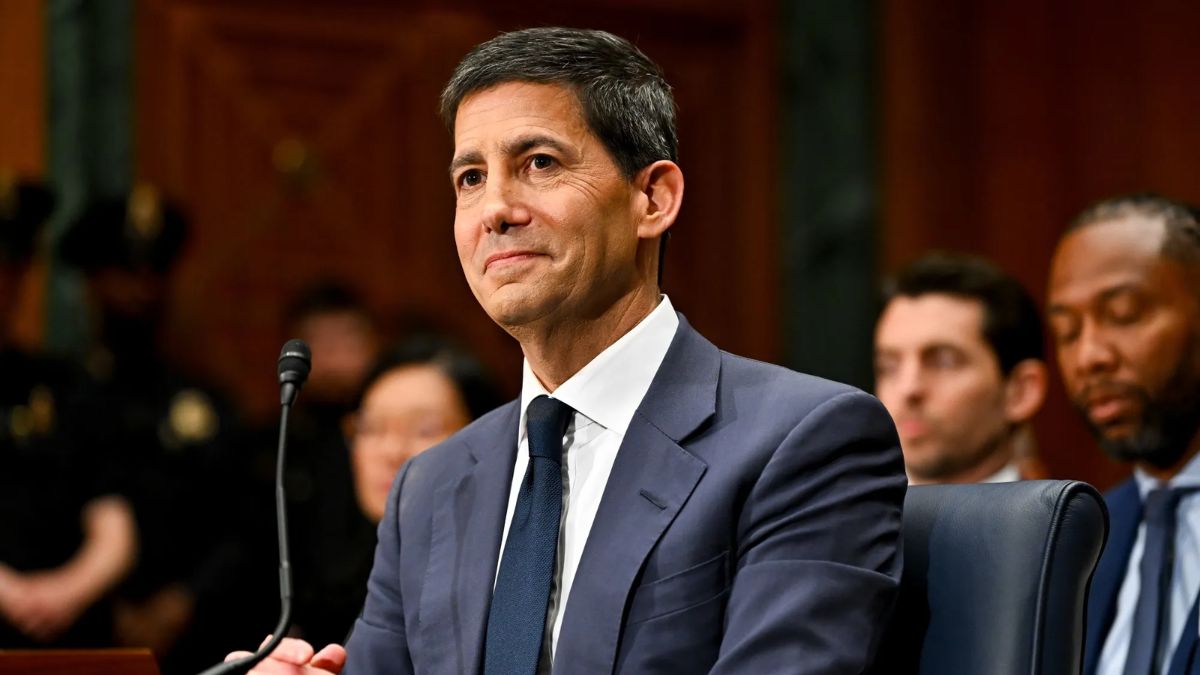
“The same logic, of course, applies to the US where new Fed chairman Kevin Warsh has presided over a more hawkish message than GREED & fear would have expected in his first FOMC meeting this week,” the report said.
The report added that money markets now expect around 36 basis points of rate hikes by the end of 2026. It also said the two-year US Treasury yield recorded its biggest one-day increase in 14 months, rising by 13 basis points to 4.18 per cent.
Jefferies spoke about the rising inflation expectations among businesses. Surveys that track prices paid by companies and the prices they charge customers show that businesses still expect price pressures to remain widespread.
“While they remain well anchored in terms of the five-year forward measure by the Fed, it is interesting to note that surveys of business price expectations, be they prices paid or prices received, are rising,” the report said.
Despite concerns over inflation and borrowing costs, investors in the stock market continue to focus on the strong earnings outlook created by the AI boom. Jefferies said companies linked to AI investment continue to receive strong support from investors because their earnings prospects have improved significantly.
“So long as the AI capex focus is ongoing, and the returns are not questioned, the American stock market will continue to focus on the positive earnings revisions,” the report said.
Consensus estimates compiled by LSEG I/B/E/S show that S&P 500 companies are expected to report earnings growth of 22.8 per cent in the second quarter of 2026, reported ANI citing Jeffreys data. This marks a sharp increase from the 12.8 per cent growth forecast in October last year.
Jefferies warned that the stock market has become increasingly dependent on a small group of technology companies benefiting directly from the AI investment cycle. The report said investors continue to reward these companies, but the market’s heavy reliance on a narrow set of AI-linked stocks also creates risks if expectations fail to match actual returns.
Disclaimer: This article is for informational purposes only and does not constitute financial advice. Please consult a qualified professional before making investment decisions.