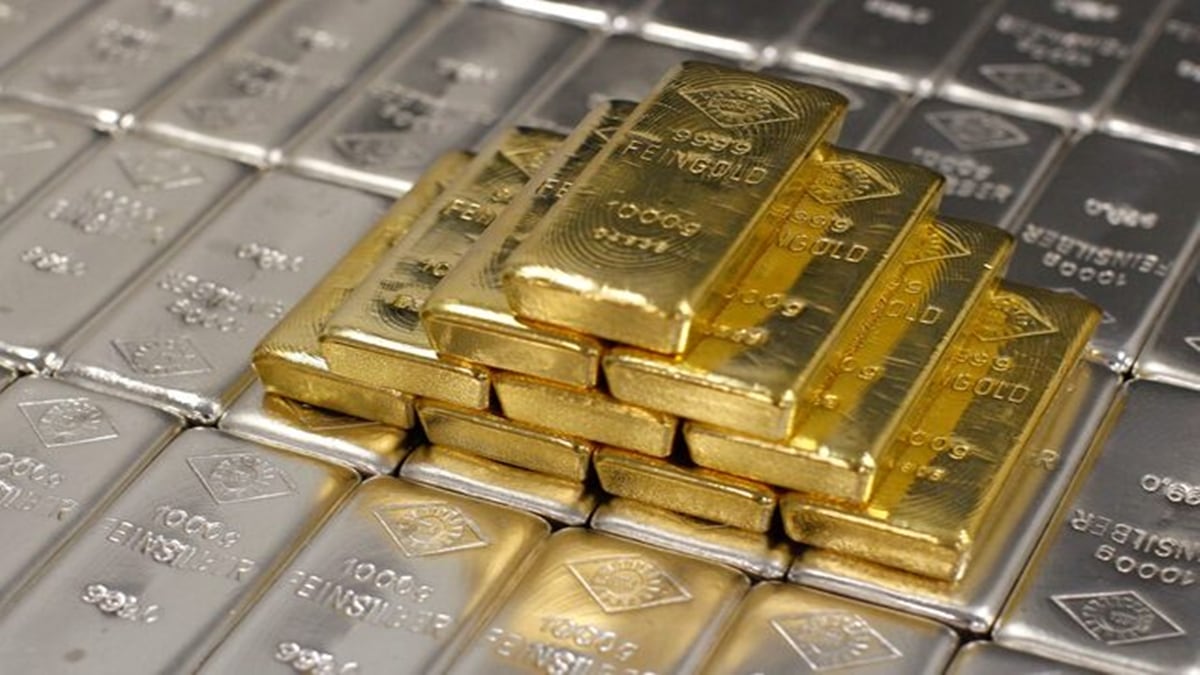
Silver is currently priced at roughly $70, down 42% from its all-time high of $121. Gold too has taken a hit, now trading at around $4,666 — down 17% from its peak of $5,602.
The recent free-fall in both metals has left many investors perplexed. Those who joined the party late now find their gold and silver portfolios in the red.
But how could that be? Gold, after all, was up 65% in 2025 and over 20% in each of the years since 2023.
The Missing Plan
If you are sitting on losses right now, it’s possibly because you did not have a plan in place — a proper asset allocation plan. For retail investors, the biggest mistake is buying or selling based on emotion, or what’s popularly called the FOMO factor: the fear of missing out.
Recent data shows exactly how FOMO played out in the Indian context. In December 2025, gold ETFs saw net inflows of Rs 11,646 crore, over three times the Rs 3,741 crore in November.
And if that sounds large, January 2026 numbers were even more striking. Indian investors poured more money into gold ETFs than into equity funds — the first time, according to AMFI data.
Two things are worth noting here. Whether it was FOMO or genuine conviction, Indians have at least started investing in gold ETFs — and that’s a good thing. Gold ETFs are a far better way to own gold than physical jewellery or coins, which come with making charges as high as 20%, wastage, and security concerns. Gold ETFs also track physical gold prices far more closely than jewellery ever can.
So, What’s the Plan?
Study after study has shown that ‘asset allocation’ and not stock-picking or market timing is what determines long-term portfolio performance. Most financial planners recommend keeping 10–15% of your portfolio in gold, alongside equities and debt, depending on your financial goals, risk appetite, and investment horizon.
When gold prices correct, your allocation naturally falls — and that’s often a good buying opportunity. When prices surge, trimming your position helps restore the original allocation.
Is this, in fact, what the RBI has been doing? Data suggests so. Central banks, including the RBI, have been consistent buyers of gold every month since 2022. In 2024, the RBI purchased 72.6 tonnes. In 2025, that dropped sharply to just 4.02 tonnes.
Why the pause? Possibly because the RBI hit that 10–15% allocation target. By 2025, gold’s share of India’s foreign exchange reserves had climbed from around 10% to 16% within a single year. As of December 2025, India holds 880.18 metric tonnes of gold — the 2026 figures are yet to be released.
The takeaway: start with a plan. Buy at regular intervals until you reach 10–15% of your total portfolio. A staggered approach — much like a mutual fund SIP — keeps your average purchase price in check.
The Road Ahead
Gold tends to shine during troubled times — when geopolitics dominates headlines, global economies weaken and currencies lose value. Today, much depends on how the Iran conflict resolves and where oil prices eventually settle.
Gold doesn’t move on a single factor. Multiple economic data points pull it in different directions at once. Right now, oil is the anchor — shaping inflation, interest rates, and the dollar simultaneously.
A strengthening dollar signals a real energy crisis, which is bad news for gold. Higher interest rates, driven by rising inflation, add further headwinds.
If keeping track of all these moving parts feels overwhelming, you’re not alone.
But here’s the thing: if you have an asset allocation plan in place and are buying in a staggered, disciplined way, none of it — not the dips, not the crashes, not even the oil-dollar-inflation equation — will unsettle you by the time you reach your goals a few years down the road.
Disclaimer: This article provides factual analysis only and is not, and should not be construed as, an offer, solicitation, or recommendation to buy or sell securities. Investors must conduct their own independent due diligence and seek advice from a SEBI-registered financial advisor.